
Huge Café: Inventing the Future of Retail
Huge opened its own café in Atlanta to prototype the future of retail -- from social vending to anonymous loyalty powered by computer vision.
Results
- Built and operated a fully functional retail innovation lab in Atlanta for over two years
- Pioneered anonymous loyalty using computer vision, pattern matching, and POS data correlation
- Shipped a custom mobile ordering platform with iOS, Apple Watch, and barista-facing iPad apps
- Prototyped RFID-powered smart vessels, social vending, and dynamic projection surfaces
Context
In 2016, while I was leading technology at Huge, we did something unusual for a digital agency: we opened our own business. Huge Café was a fully operational café in Atlanta that doubled as a living laboratory for retail innovation. The idea was simple -- if we were going to advise the world's biggest brands on the future of retail, we should be willing to put our own ideas on the line with real customers, real transactions, and real consequences.
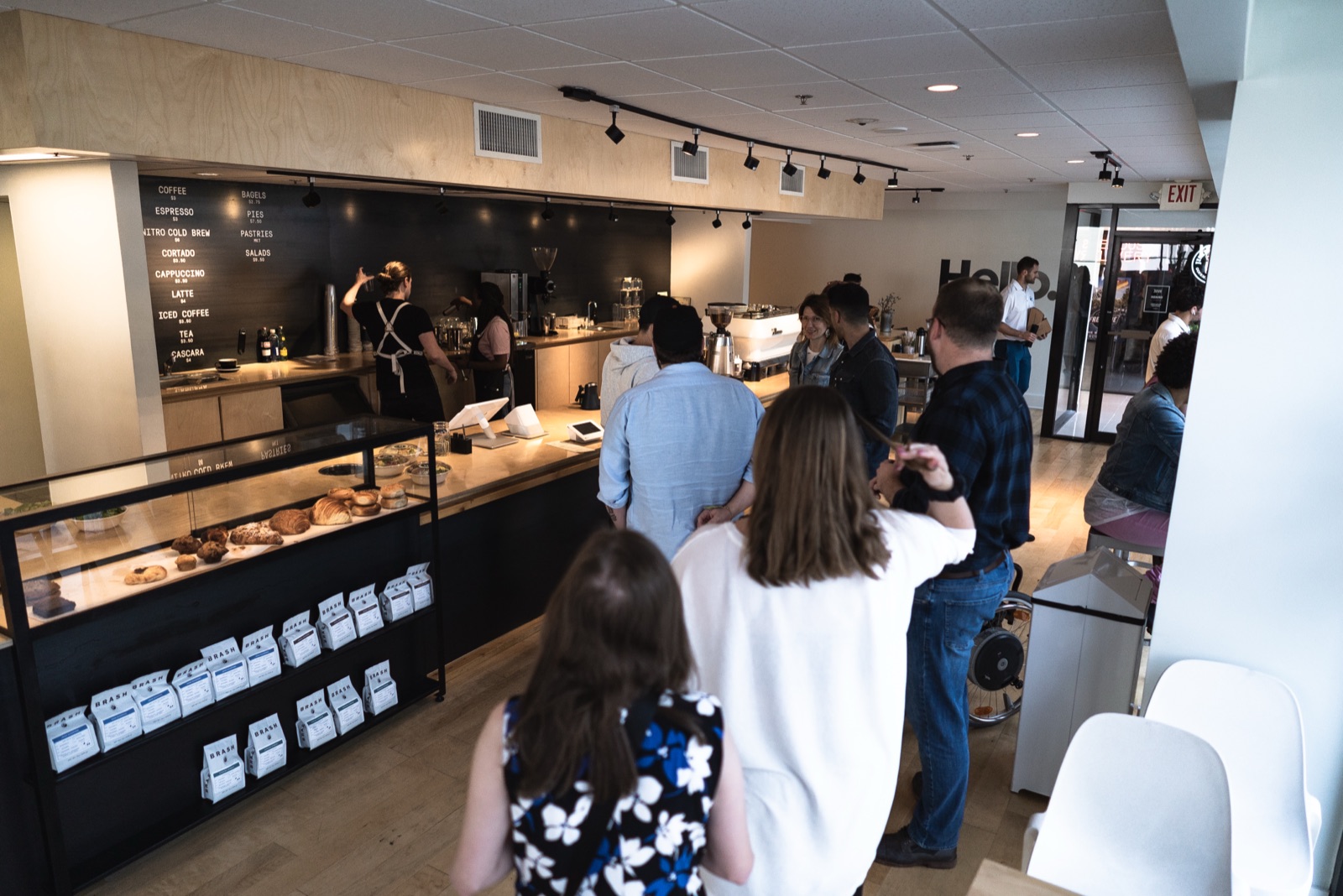
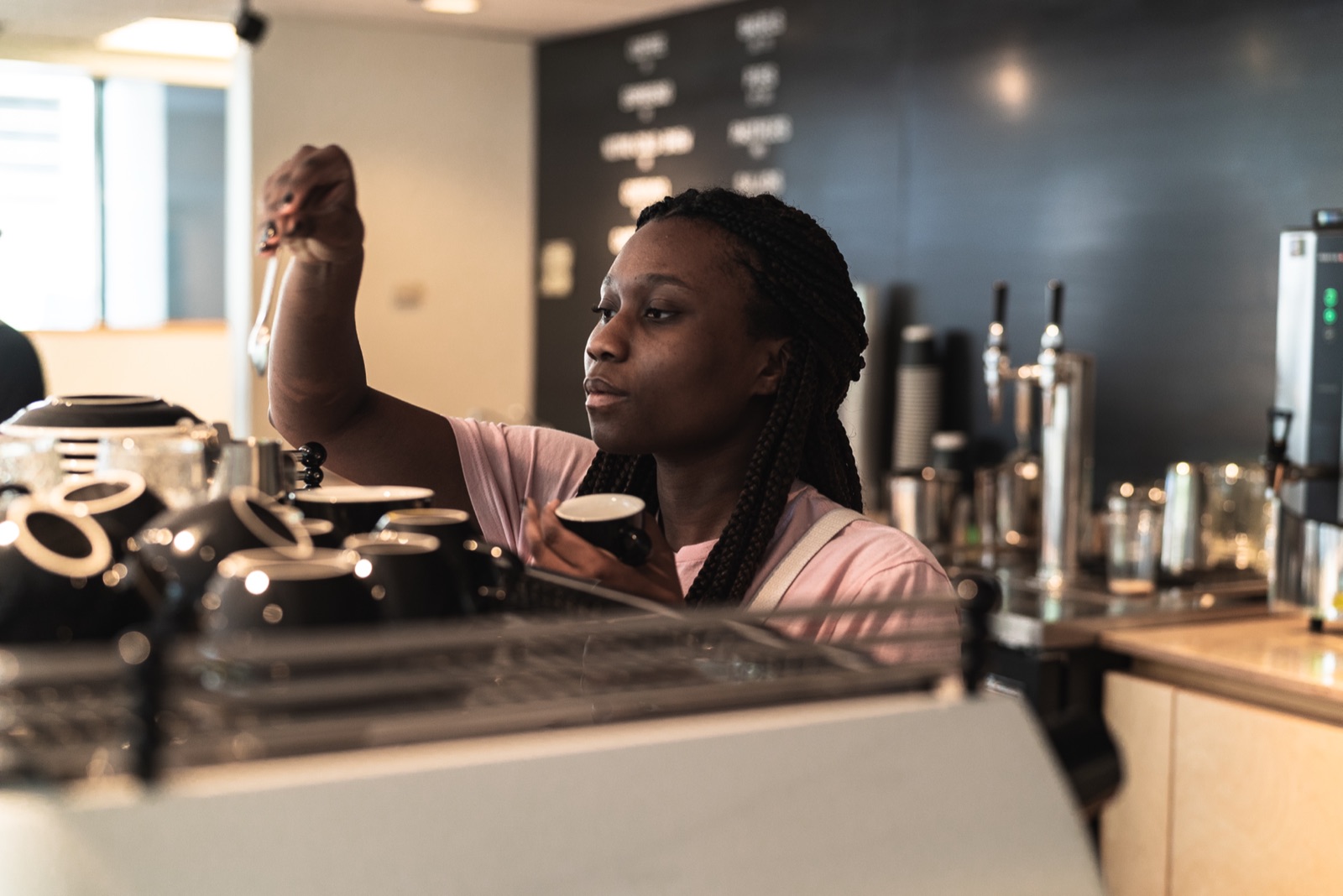
This was not a pop-up or a demo environment. It was a real café serving real food and coffee to a neighborhood that had plenty of other options. Every technology experiment we ran had to work alongside the fundamental requirement of running a good business: making customers happy enough to come back.
Challenge
The retail industry was drowning in concepts and conference presentations about "the future of the store," but very few of those ideas had been tested against the unforgiving reality of actual commerce. We wanted to answer specific questions that our clients were asking but that nobody had real-world data for: What is a social media interaction actually worth in transaction value? Can you build meaningful customer loyalty without requiring sign-ups, apps, or loyalty cards? How do you make technology feel like hospitality rather than surveillance?
Approach
We treated the café as a platform for sequential experiments, each building on what we learned from the last.
Custom Digital Ordering Platform
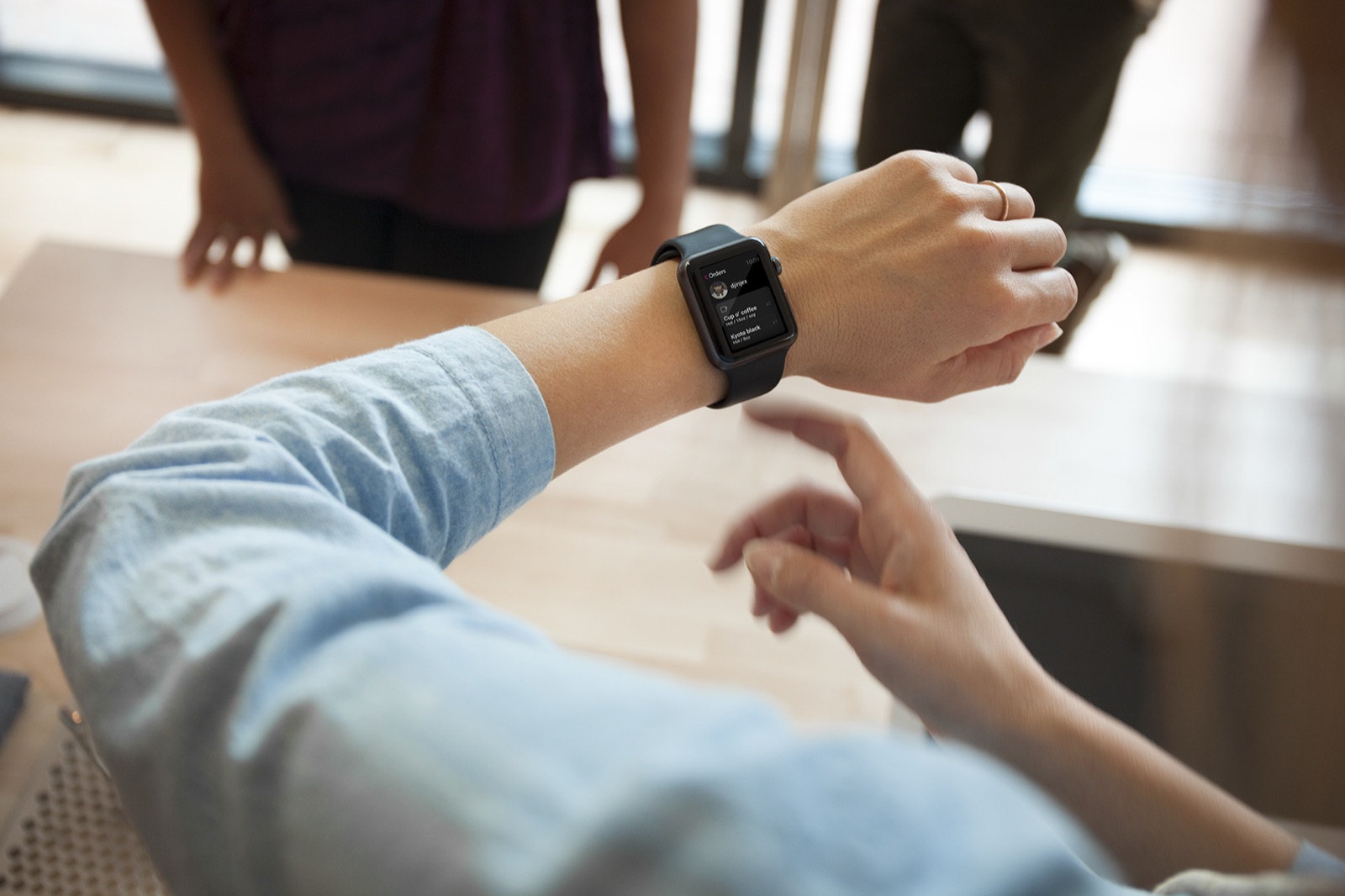
Before we could run experiments, we needed to own the entire technology stack. We built a custom mobile ordering platform from the ground up -- an iOS app where customers could browse the menu, customize drinks and food items, and pay via Apple Pay or credit card. The system included an Apple Watch companion app that pushed order-ready notifications to customers' wrists, and a barista-facing iPad application that managed the queue in real time.
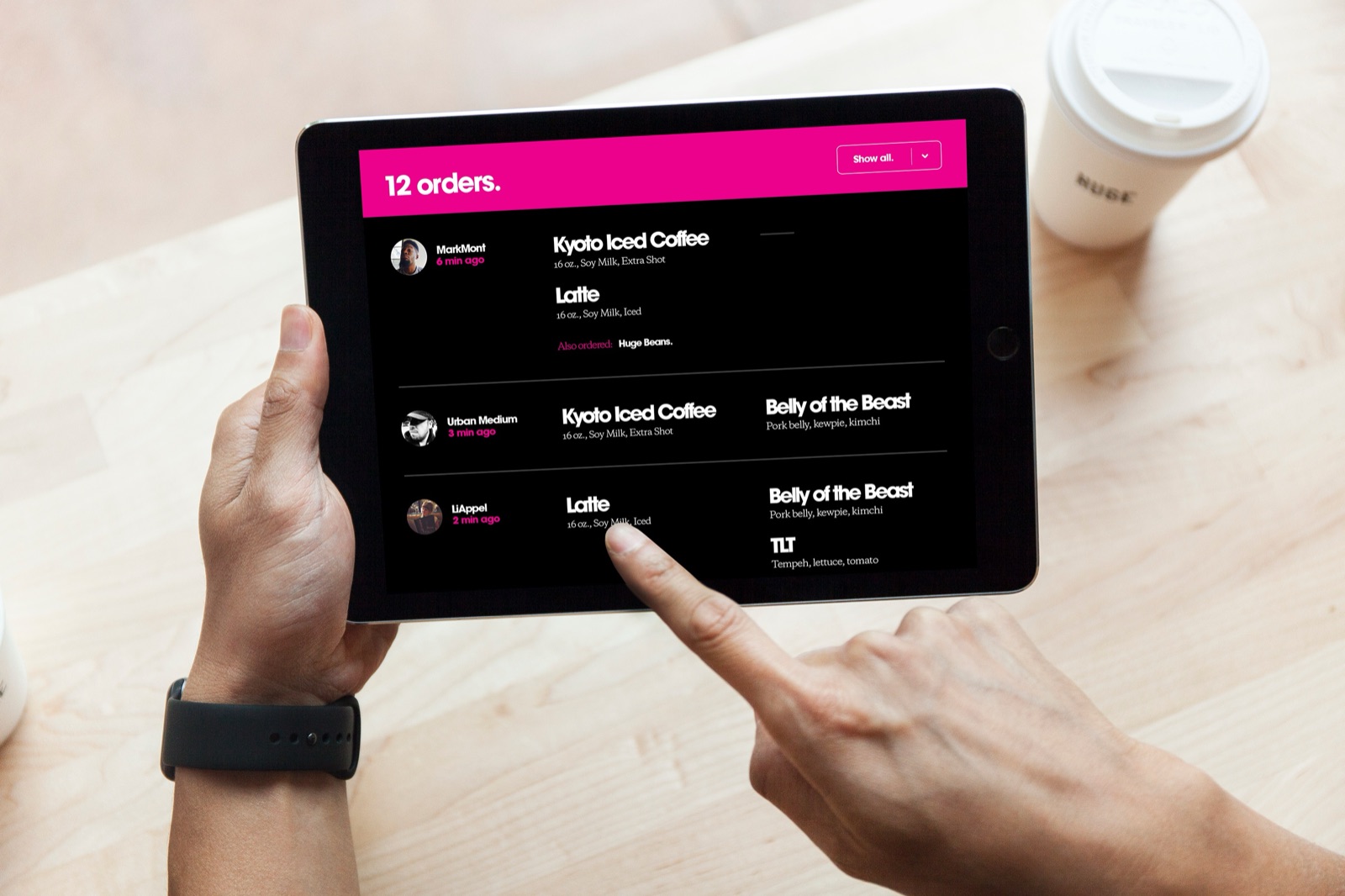
The barista app displayed orders as they arrived, grouped by customer profile with their full order details -- drink customizations, food items, and loyalty status. Baristas could see at a glance who was a regular and what their preferences were. The entire pipeline -- from customer tap to barista notification -- ran through our own backend, giving us complete control over the data and the ability to layer experiments on top of the transaction flow.
Social Vending
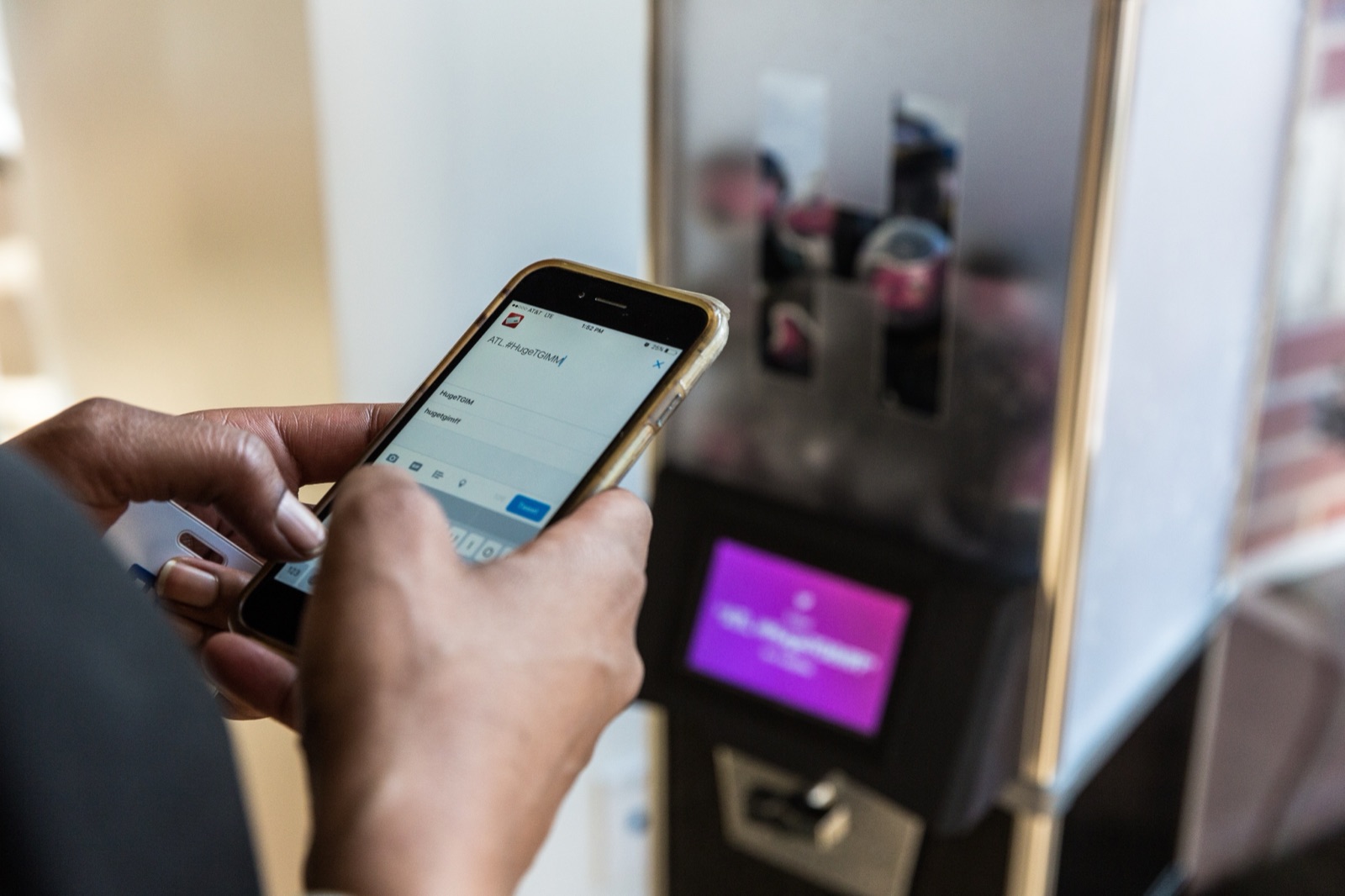
Social Vending asked the question: what is a tweet worth? We modified a classic toy capsule machine with a custom hardware integration -- a Raspberry Pi controller connected to a solenoid-driven release mechanism, paired with a touchscreen running a web app that authenticated against Twitter's API. Customers tapped the screen, composed a post about the café, and once the tweet was verified as published, the machine dispensed a capsule with a prize inside.
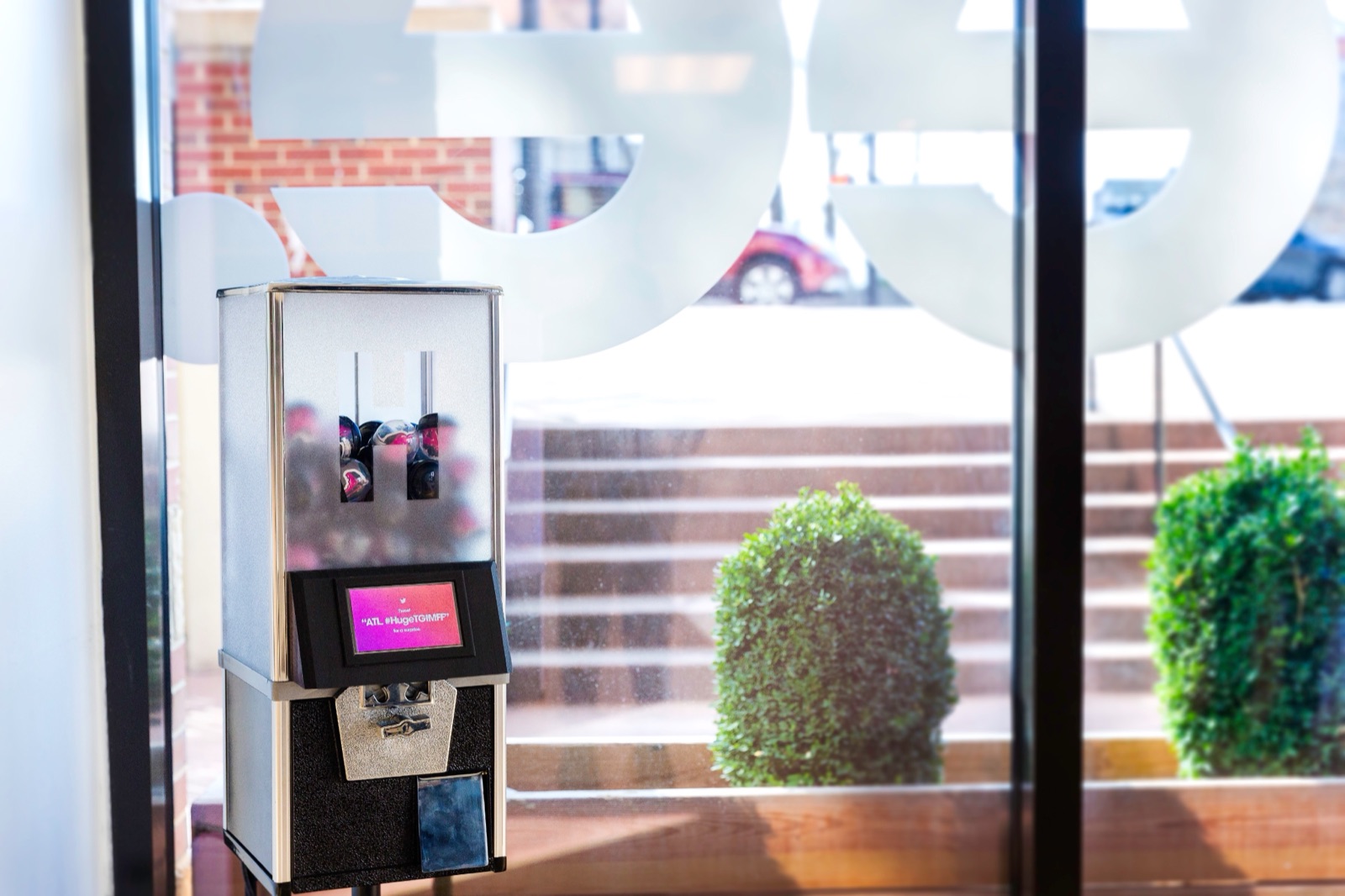
It sounds playful, and it was, but the data it generated was serious. We tracked every interaction end-to-end: social impression volume, follower reach, hashtag propagation, and -- critically -- whether those impressions converted to new foot traffic using our entry-point cameras. The result was hard data on the conversion rate between social engagement and physical commerce, something our retail clients had been estimating with spreadsheets for years.
Smart Vessels and RFID
Smart Vessels explored how connected physical objects could bridge digital and physical commerce. We designed custom reusable cups embedded with passive RFID tags -- NFC-compatible chips that could be read by embedded readers we installed throughout the space. When a customer placed their cup on a pedestal at the counter, the RFID reader identified the vessel, correlated it with the customer's account, and triggered a chain of events: the overhead projector displayed the customer's name and usual order on the counter surface, payment was processed automatically when the barista picked up the cup, and the finished drink was returned to a projected spot on the counter.
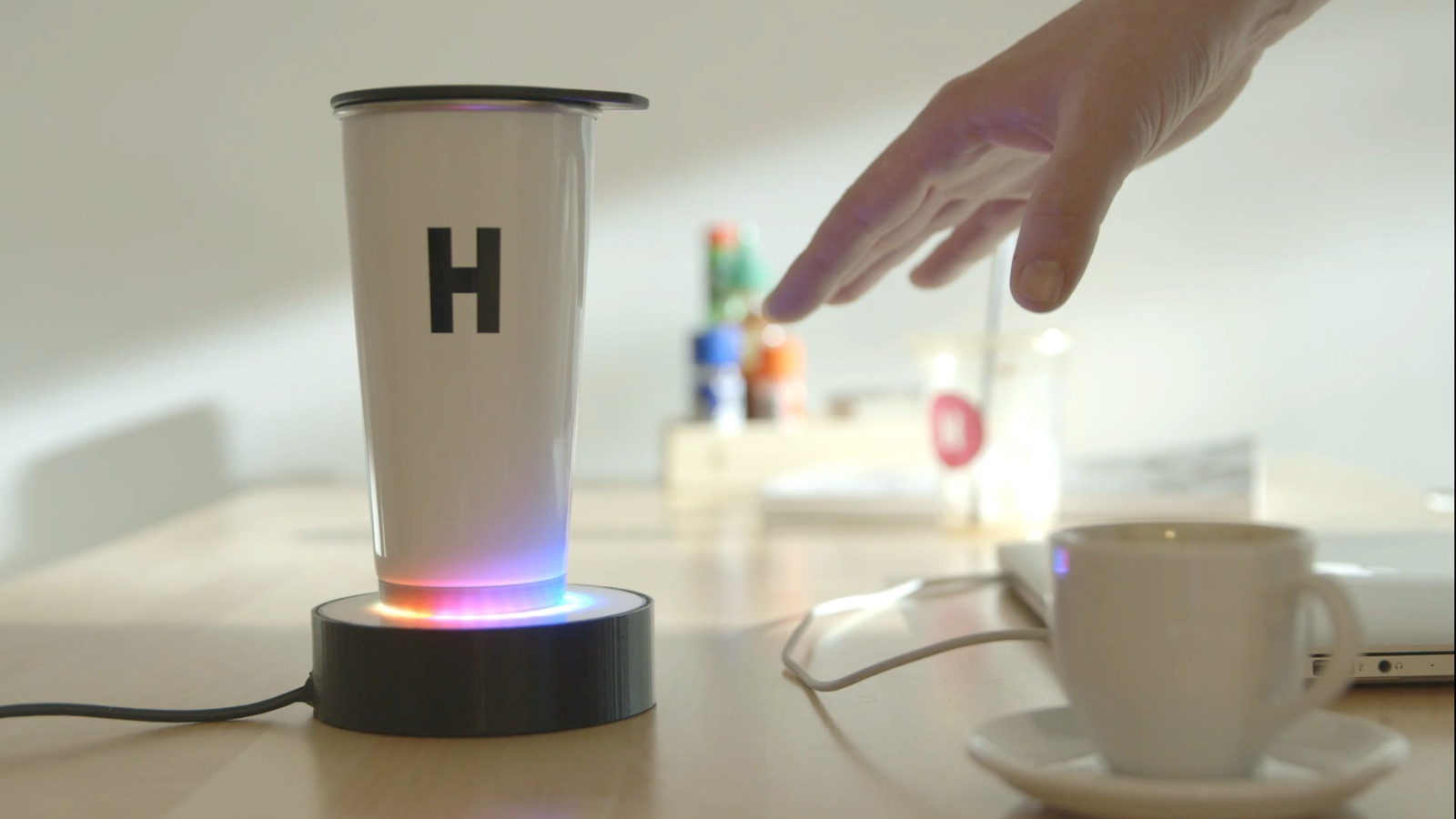
The technology stack included passive RFID tags operating at 13.56 MHz, custom PCB reader boards embedded in wooden pedestals with LED feedback rings, an overhead camera system for spatial tracking, and a ceiling-mounted projector for the ambient display surface. The projection system used computer vision to map the counter surface and track cup positions in real time, creating an experience where the physical counter itself became an interactive interface -- no screen required.
Anonymous Loyalty
Anonymous Loyalty was the most ambitious experiment. We asked: what if we could recognize and reward repeat customers without them having to do anything at all? Using overhead cameras at entry points, the counter, and seating areas, we built a computer vision pipeline that detected and tracked individuals through the space. The system did not use facial recognition in the traditional sense -- instead, it built composite signatures from clothing patterns, body proportions, and movement characteristics, matching these against historical visit data.
When the system identified a likely repeat visitor, it correlated the match with point-of-sale transaction data from previous visits. If the confidence score exceeded our threshold, staff received a quiet notification on their Apple Watch or the barista iPad: a regular had arrived, along with their usual order, visit frequency, and any preferences recorded from prior transactions. No app required. No loyalty card. No sign-up form.
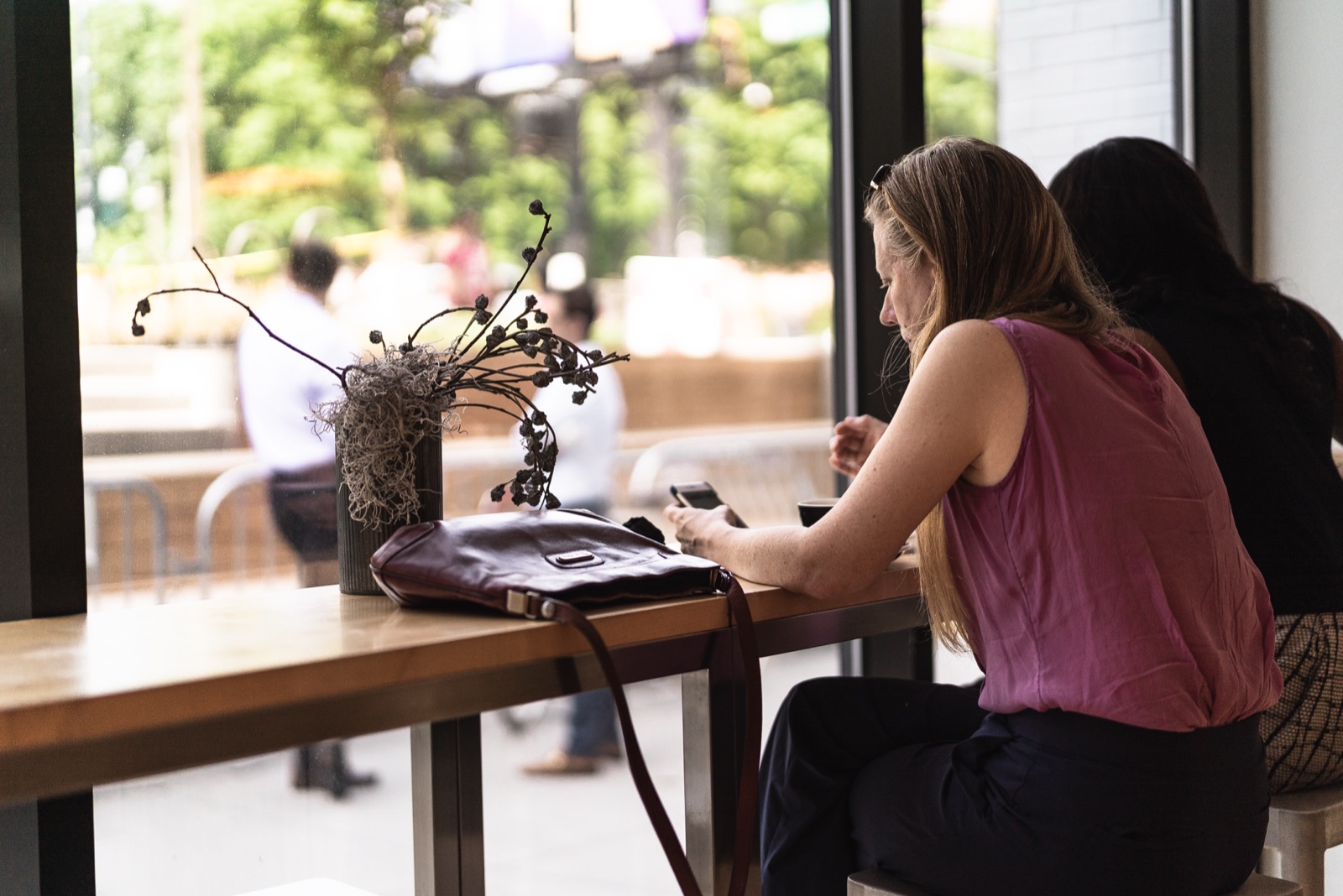
The four pillars of Anonymous Loyalty -- Recognize, React, Reward, Retain -- became a framework we applied to client engagements long after the café itself had served its purpose. The technical architecture -- edge-processed computer vision feeding a probabilistic matching engine backed by POS correlation -- became a reference design for several retail innovation programs we led for Fortune 500 clients.
Results
Huge Café operated for over two years, serving as both a neighborhood gathering spot and the industry's most honest retail innovation lab. We shipped a complete custom ordering platform across three device form factors (iPhone, Apple Watch, iPad), built and deployed three distinct hardware-software prototypes (social vending, RFID vessels, anonymous loyalty), and generated real transaction data across thousands of customer visits.
The anonymous loyalty system successfully built robust repeat-customer profiles without asking customers to do a single thing -- proving that meaningful personalization does not require the friction of account creation. The social vending data gave us concrete conversion metrics that replaced guesswork in client proposals. The RFID vessel system demonstrated that ambient, projection-based interfaces could replace screens entirely in a retail context.
The insights from the café directly informed our approach to retail technology for clients like Lowe's, Under Armour, and AMC Theatres. More importantly, it established a principle that I carry into every engagement at Lakehouse Digital: the best technology disappears into the experience. If a customer notices the technology before they notice the improvement, you have built the wrong thing.
Ready to discuss your project?
We would love to hear about what you are working on.
Let's Talk